



Online Learning
Target Learning VCD.
Online
text books.
Two programs - all of VCD
Target Learning VCD is a program of two integrated online textbooks, course and assessment programs for Years 9 & 10 and VCEVisual Communication Design. Scroll down and discover how Target Learning VCD will give your students the edge.
TARGET LEARNING VCD | VCE & INTERMEDIATE PROGRAMS
Guided learning programs
- Guided learning program pages for each Area of Study
- Content broken into manageable sections that cover the Key Knowledge for each Area of Study
- Introduces concepts and knowledge
- Embedded videos
- Cross-links to information pages that reinforce knowledge
- Excellent examples of relevant student work
- Task sequences for students to practice and embed learning for each group of Knowledge points
- Embraces the ‘I do’, ‘We do’, ‘You do’ science of learning model
Assessment tasks
- Clearly articulated Design Problems, Communication Needs and Briefs
- High-scoring model answers show what success looks like
- Easy-to-manage sections that address the Key Skills for each Area of Study
- Brilliant examples of student work
- Flexible task assignment for teachers
- Detailed assessment criteria derived from the Key Skills
Information/ concept pages
- All the key study terms unpacked
- Comprehensive information in well-researched and easy-to-understand language
- How-to videos and step-by-step instructions on drawing systems


Human-Centred Design is at the core of the study.


What’s not included
What People say
"Target Learning VCD offers a comprehensive curriculum that supports both students and teachers new to Visual Communication. Each unit provides a scope and sequence that is easy to follow and navigate. I have been using this website (helveticamediuma.com) for the past five years and my students have thoroughly enjoyed solving each design brief."
Jeremy, Teacher - MacKillop College, Swan Hill.
"Starting as a new teacher to VCD, and Australia, the comprehensive curriculum offered by Target Learning VCD supported me to ensure my learning programs were dynamic and engaging. The practical activities offered have a fantastic scope and sequence that ensures the critical skills required for students to succeed in VCD are met."
Siobhan, Teacher - St Aloysius College, Melbourne.
Target Learning VCD | Intermediate Program
This comprehensive two-year Visual Communication Design program builds essential skills in design analysis and practice through Target Learning's proven, sequential approach. Year 9 students acquire foundational skills while exploring design practice and visual language. Year 10 advances by examining how visual communication influences the Australian identity, including the contributions of Indigenous Australian designers.
Each semester introduces four focused Areas of Study that represent the VCE process across the four fields of design practice: messages, objects, environments, and interactive experiences. Students employ development, documentation, and presentation drawing methods within the VCD Double Diamond Design Process to express ideas and communicate information in various contexts, purposes, and to different audiences.
Fully aligned with the Victorian Curriculum 2.0, the program features model answers, student exemplars, and progressive, anchor-linked tasks. Target Learning VCD inspires independent learners.
Find out about the Target Learning VCD | Intermediate Program in this short slide show video.
Great examples

Learn visual language in Year 9 and 10 Areas of Study 1.
Model answers
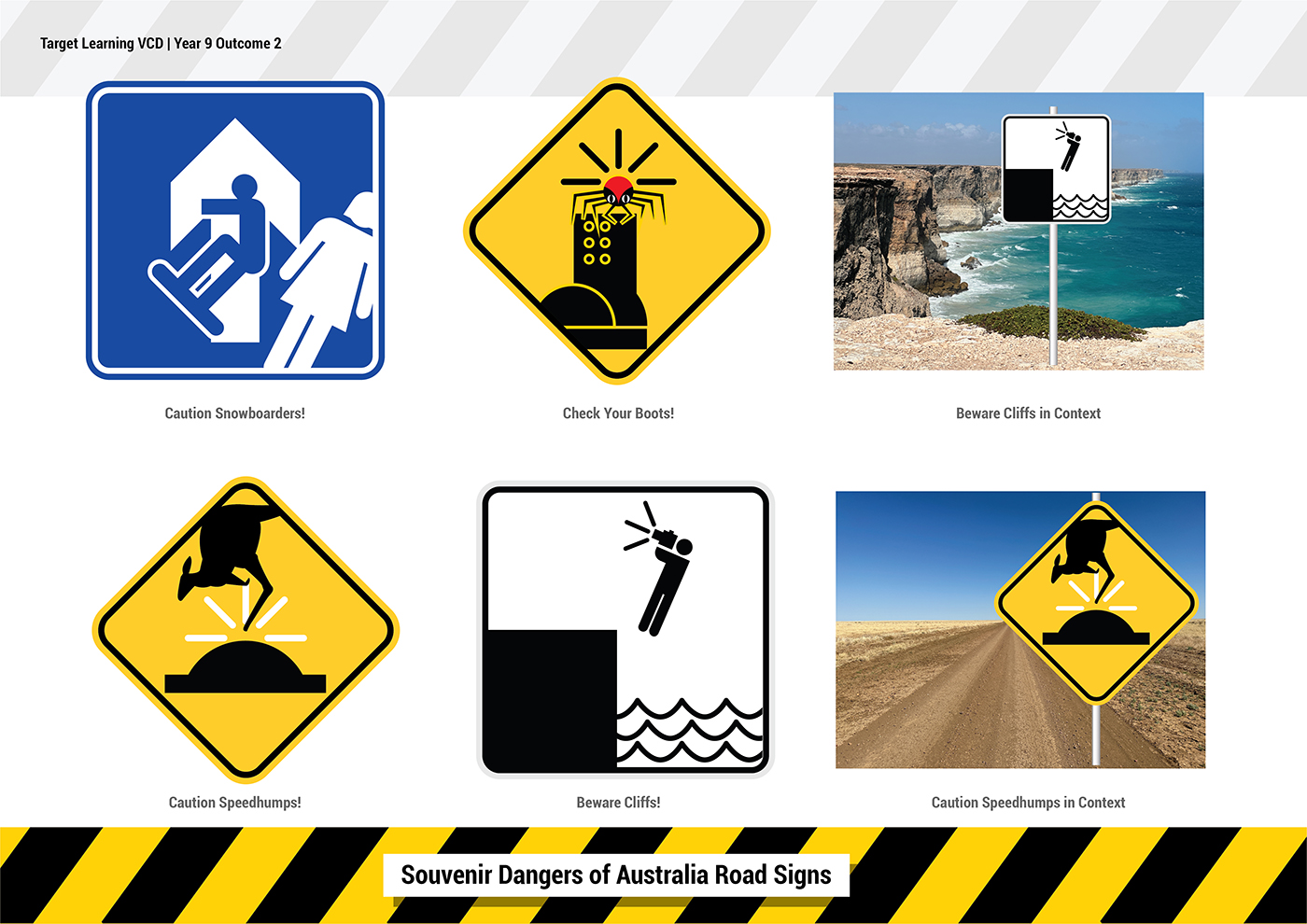
Learn iconography in Year 9 Area of Study 1.
Technical drawing explained
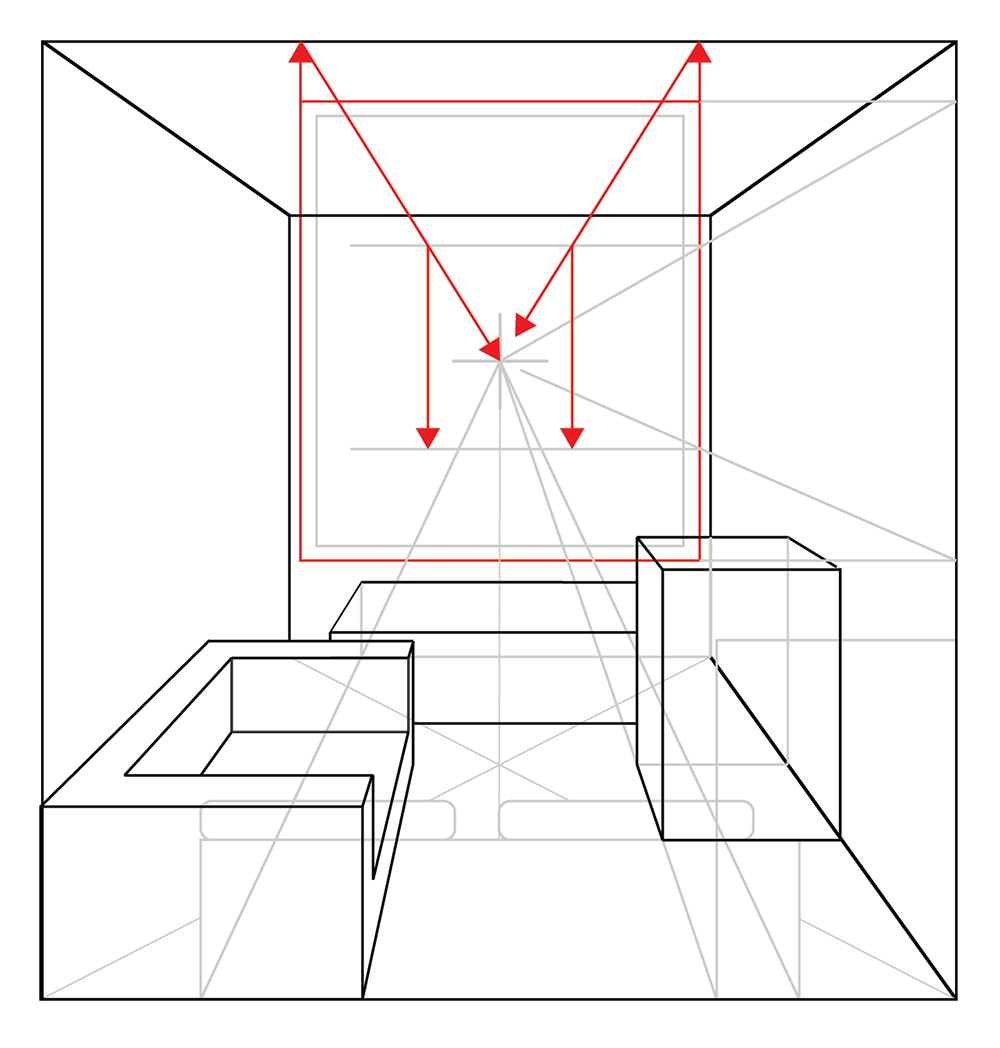
Learn one-point perspective in Year 10 Area of Study 2.
Course content
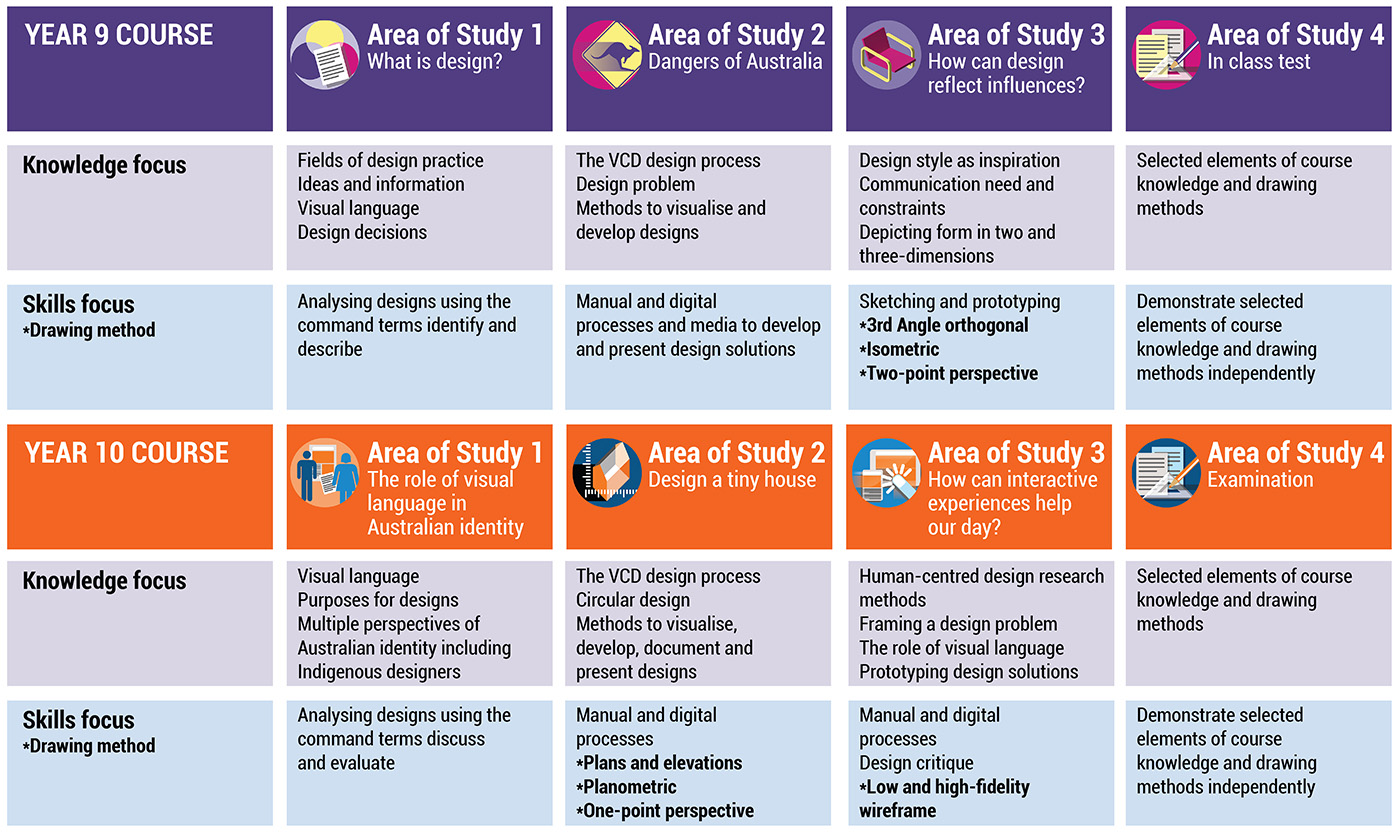
A brief indication of the content for the Target Learning VCD | Intermediate Course.
Target Learning VCD | VCE Program
Join the hundreds of teachers who choose Target Learning VCD as their VCE Visual Communication Design Textbook. This proven learning program enables students to work independently and follow teachers’ instructions in class.
Packed with all the features of the Target Learning VCD | Intermediate Program, the VCE program extends students’ knowledge and skills, preparing them for their SAT and end-of-year Unit 3 & 4 examinations.
VCD Design Process

Every Area of Study is supported by the Double Diamond VCD Design Process.
Drawing methods workshopped

Every manual method and digital process is workshopped for easy learning.
Present solutions
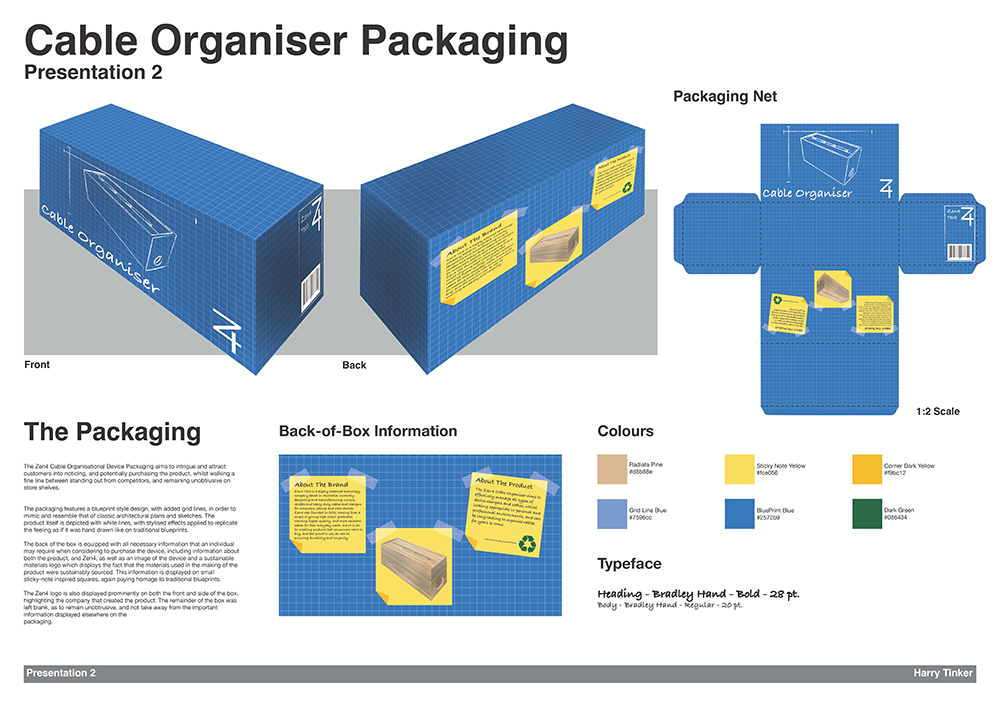
Learn how to present design solutions for the SAT. This presentation is by a Year 12 student, Harry Tinker.
Cyber safety
Target Learning values the safety of our clients and their data. We have undergone rigorous cyber testing for 'best practice' school-based web applications. Our product, Target Learning VCD 2024 - has successfully qualified to be part of the Safer Technologies 4 Schools (ST4S) Vendor Badge Program in 2025. The online textbook has been assessed by Safer Technologies 4 Schools (ST4S) using version 2024.1 of the ST4S assessment framework. More information can also be found on the Safer Technologies 4 Schools website.
What is Safer Technologies 4 Schools (ST4S)?
The Safer Technologies 4 Schools (ST4S) service is a national standardised approach to evaluating digital products and services used by schools across Australia. It is supported by the state and territory governments and the Catholic and independent school sectors. Learn more at www.st4s.edu.au.
Why was the ST4S established?
ST4S was established in collaboration with all Australian state, territory, Catholic and Independent school sectors to develop a nationally consistent security and privacy control framework to help schools reduce risks when choosing digital products and services.
What does the usage of the ST4S badge mean?
Vendors in the program have undergone a rigorous assessment that indicates the product does not present a significant safety or privacy risk to schools. Ongoing use of the badge requires vendors to perform annual ST4S Readiness Checks to help ensure continued compliance with the most important ST4S Assessment Framework requirements.
2027 Memberships
In 2027, all memberships provide access to both the VCE and Intermediate online textbooks. The options are:
- Starter 15 ($220) - with 15 logins
- Studio 30 ($440) - with 30 logins
- Practice 60 ($680)- with 60 logins
- Guild 90 ($900)- with 90 logins
- Comprehensive 120 ($1000) - with 120 logins
Each membership remains valid for one year from the date it is created. When purchasing memberships, the purchasing teacher becomes the account administrator and invites all other teachers and students to their account using their school email system.
What happens to my existing target learning vcd membership?
All current and existing Target Learning VCD memberships will roll over to the new membership structure before Term 1, 2027.
- All memberships incorporate both the Target Learning VCE and Intermediate Programs