



Constraints.
Constraints are limits or desires for a Design Solution. They are set directly by a client or designer in a 'return brief' as they develop a greater understanding of a design need. Design constraints and expectations are written as part of a Brief and underpin the Design Criteria used for the evaluation of designs.
Takeaways

Good to go
Constraints
Constraints are limits or desires for a design solution that are set directly by a client or designer as they develop a greater understanding of a design need. They generally refer to physical limits or requirements for a design solution related to its function (such as size, durability, materials, and safety requirements), while expectations refer to desirable aesthetic qualities or style characteristics that cannot be measured but are evaluated through experience.
- Constraints Drive Innovation, Not Limit It
While having limits might seem negative for creativity, clearly articulated constraints actually provide clarity and direction for designers and ensure they meet client, audience, and user needs. The example of Air Ministry specifications shows how three completely different-looking aircraft were all designed to meet the same functional requirements, demonstrating that constraints guide what a design must achieve rather than dictating how it should look. - Distinguish Between Constraints and Expectations
Constraints refer to measurable, functional characteristics like size, weight, materials, and durability that can be objectively assessed. Expectations describe aesthetic qualities and style using adjectives like ‘vibrant,’ ‘minimal,’ ‘sophisticated,’ or ‘retro’ that are evaluated subjectively through experience rather than measurement. - Constraints Form Your Design Criteria
Design constraints and expectations become the foundation for design criteria that students use to evaluate their design ideas, concepts, and solutions. This evaluation framework helps ensure that design solutions successfully address the original problem. - Look Beyond the Surface to Identify Constraints
When analysing existing designs, students shouldn't simply describe what they see but should consider what rules or requirements might have guided the designer's decisions.
WHAT'S THE PROBLEM?
A written Brief identifies a design problem. That is something that will be solved with the arrival of a new design. The problem is summarised in a term known as a ‘communication need’. However, Design Solutions are usually constrained by a number of things. Good Design is good because it answers a problem in regard to its constraints and expectations. This section explains how this works.
Constraints generally refer to physical limits or requirements for a Design Solution related to its function. These include things such as;
- size
- durability
- text, image content
- materials
- usability
- language
- paper stock
- safety requirement
Expectations generally refer to aspects of a design that are desirable or are related to aesthetic qualities. These include things such as;
- style
- colour schemes
- mood
- user experience
Design constraints and expectations form the basis for the Design Criteria, students use to evaluate their Design Ideas, Concepts and Solutions during the Design Process and in a Design Critique and the Pitch.
CONSTRAINTS
The term constraint refers to a limit placed on the design of a visual communication or relate to user characteristics. Whilst having limits might seem negative for creativity, clearly articulated targets provide clarity and direction for a designer and ensure they meet client, audience and user’s needs.
Constraints often apply to the functional or structural aspects of a design. This is easy to understand for Object design. For example, a Brief for a chair might include constraints like it should fit in a certain size space, be foldable, have four legs and weigh less than 3kg. Each of these refers to the structural or functional characteristics of the design. However, identifying constraints for Message design is a bit subtler. For example, constraints for a poster may include the content required, the language captions are in, the imagery, type and colour schemes set in a style guide and the size and format of paper stock. Constraints refer to characteristics that can be measured.
EXPECTATIONS
The term expectations is similar and is often used with constraints; A Brief may contain a number of constraints and expectations. Expectations usually refer to the desires of a client, target audience or user, regarding the aesthetic qualities or style of a design. Expectations refer to how a design should look, feel or be experienced. There are adjectives that describe aesthetic qualities and considerations. Words such as vibrant, colourful, futuristic, minimal, retro, childish, sophisticated, homely, and hand-made, for example, all describe the aesthetic qualities or style of a design. A client may want a design to reflect certain aesthetic characteristics. These kinds of expectations refer to style and as such can’t be measured but evaluated with experience.
For example, a poster for a music event may be designed with a retro colour scheme. Directions for a flat-packed piece of furniture should be easy to understand regardless of the language a purchaser speaks. A website is expected to be easy to navigate for first-time users.
CONSTRAINTS IN ACTION
AIR MINISTRY SPECIFICATIONS
A nice way to understand how constraints and expectations can be used to drive innovative design is to look at the list of requirements known as specifications that are drawn up by a national air ministry when they need a new kind of plane. Interestingly, Air Force executives have nothing in mind that could describe what the plane they want looks like. The solution to the problem described in design specifications is entirely up to designers working in aircraft manufacturing companies. Air ministries release specifications that describe what a plane must be able to do and then different aircraft builders compete against each other to design and build a prototype. Often different companies construct vastly different-looking planes yet they all meet the same Air Ministry specifications.
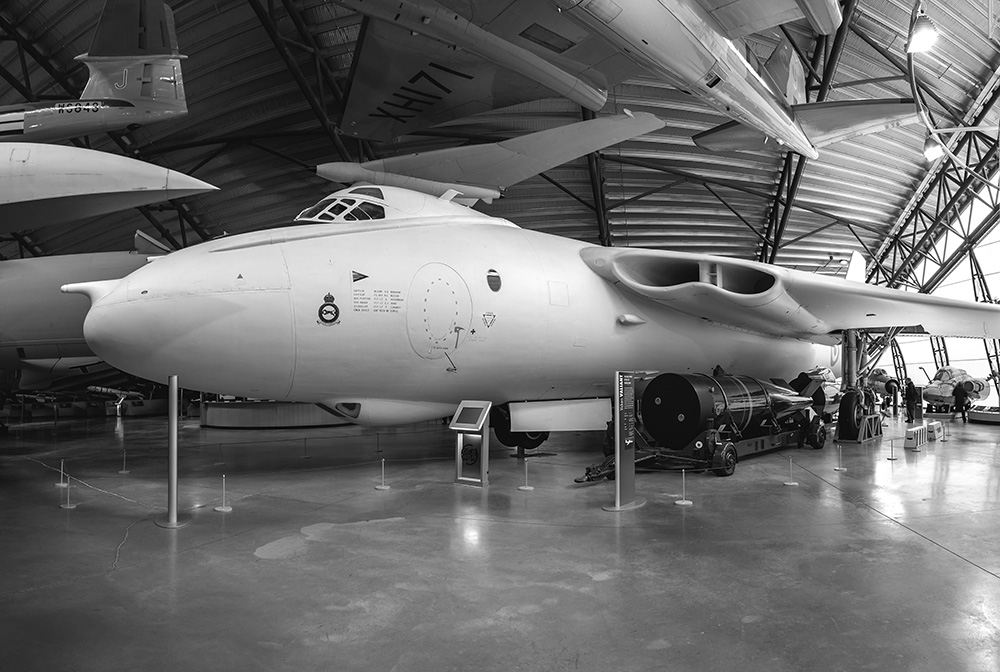
One example of a British Air Ministry Specification was drawn up in 1946 and is known as Specification B. 14/46, The ‘V- Bomber Specification’. This specification called for a medium-range jet bomber capable of;
- carrying a 10,000-pound (4,535 Kg) bomb for 3, 350 miles (5,391 Km)
- to take off and land from any base in the world
- have a maximum take-off weight of 100,000 pounds (45, 359 Kg)
- cruise at a height of 50,000 feet (15, 240 M) for two hours
- cruise at 500 knots (926 Km/h) for at least an hour and a half
It was hoped that the successful aircraft would not only meet these specifications but exceed them. Three aircraft were designed and built. All three were ordered and entered service.
WHAT CAME OF SPECIFICATION B. 14/46?
The following three aircraft were all designed in response to Air Ministry Specification B. 14/46 yet they are all different. This shows how constraints work. They don't constrain the look of a design but they are targets a design must meet in order to satisfy a brief.


EXAMPLES OF CONSTRAINTS
The design should be of a certain size.
The design should be durable and shock-resistant.

The design should be waterproof.

The design should be legible (readable) from a certain distance.

The design should be able to be printed in 4-channel colour.
The design should include certain content.

The content in the design should have a certain reading order (hierarchy).

The design should withstand cold temperatures.
The design should withstand hot temperatures.
The design should be foldable.

The design should be recyclable.

The design should provide shade.
Model anALYSIS
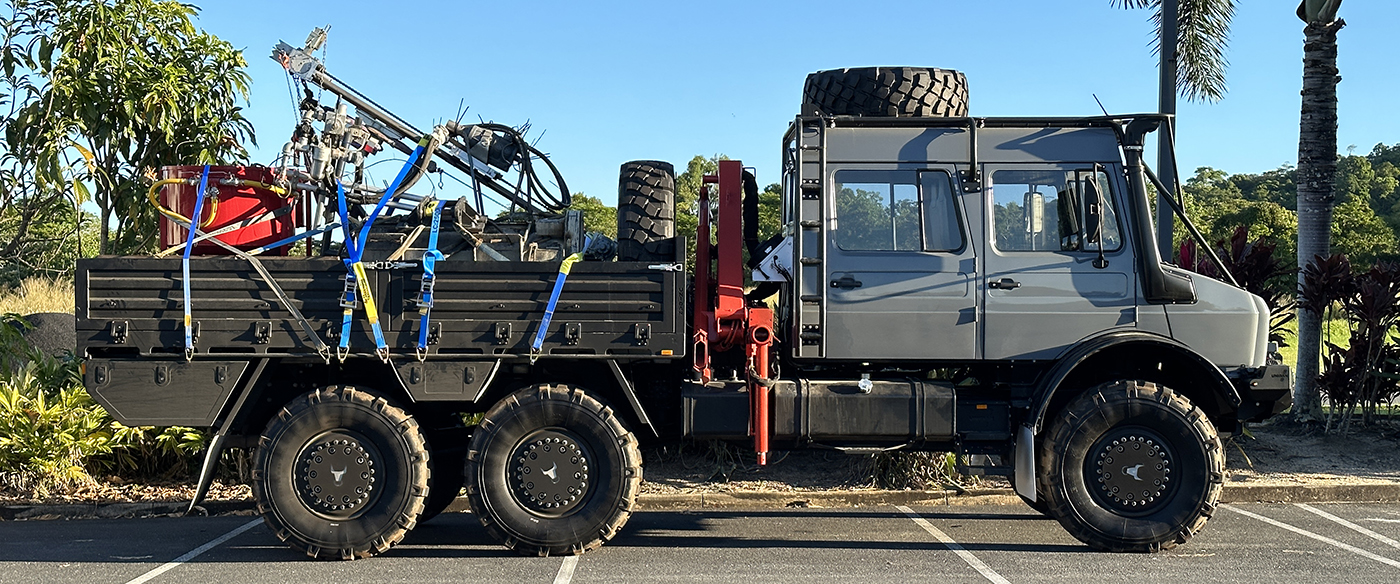
The Mercedes Unimog six-wheel drive truck.
SAMPLE QUESTION
Identify several constraints and expectations that may have been present in a Brief for the Mercedes Unimog 6x6 truck.
SAMPLE answer
- durable materials
- six large driving wheels
- space for four people
- separate chassis to carry different rear bodies
- very high ground clearance
- very steep approach angle
- good forward visibility
- have an industrial or military aesthetic quality
Examples of design
Below are three examples of designs. Use these images for the task below.

Japanese garden, Cowra, NSW.
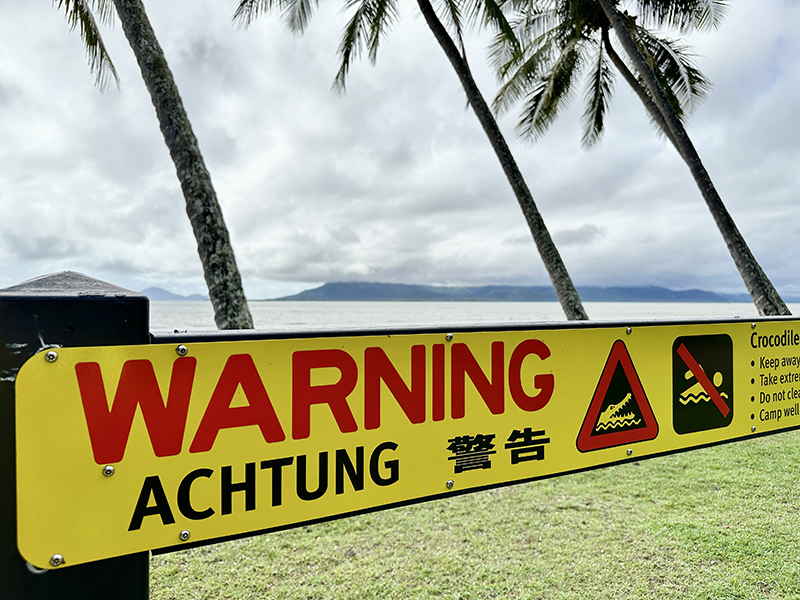
Sign, Port Douglas, QLD.
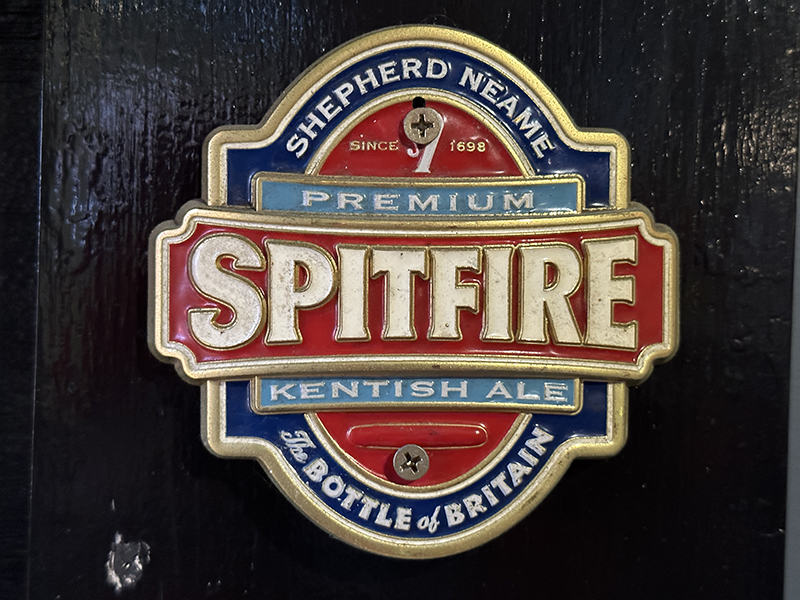
Spitfire beer sign, hotel, VIC.
task

Show I know ...
1.1 identify and describe constraints and expectations
Choose one of the designs shown in the three images, above. Identify and describe two constraints and one expectation that might have been present in the Brief for the design.
1.2 Describe design decisions
Discuss one design decision the designer of the example you chose in Task 1.1, made in response to one of the constraints and the expectation you identified. In other words, how did they respond to the constraint and expectation?
CAUTION

Good to know
Describing constraints
When identifying constraints and expectations, students should take care not to describe the design they are looking at. Instead, they need to look at the design and consider, what might have been the rules or ideas that guided the designer. What features might have been required to meet the expectations of target audiences or users?